The Mising (Mishing)
The Mishing (also written Mising) are the second largest tribal community in Assam, numbering approximately 700,000 people concentrated along the banks and islands of the Brahmaputra River. Their identity is inseparable from the river itself; Mishing villages are built on elevated bamboo stilts (chang ghar) to withstand the annual floods that define the rhythm of life in the Brahmaputra floodplain.
Linguistically part of the Tani group of Tibeto-Burman languages, the Mishing trace their migration from the hills of Arunachal Pradesh to the Brahmaputra plains, a journey preserved in oral histories and the Ali-Aye-Ligang festival that celebrates their arrival in the valley. This migration gave them a unique position as a hill tribe that adapted to riverine life, retaining highland cultural practices while developing sophisticated floodplain agriculture and fishing techniques.
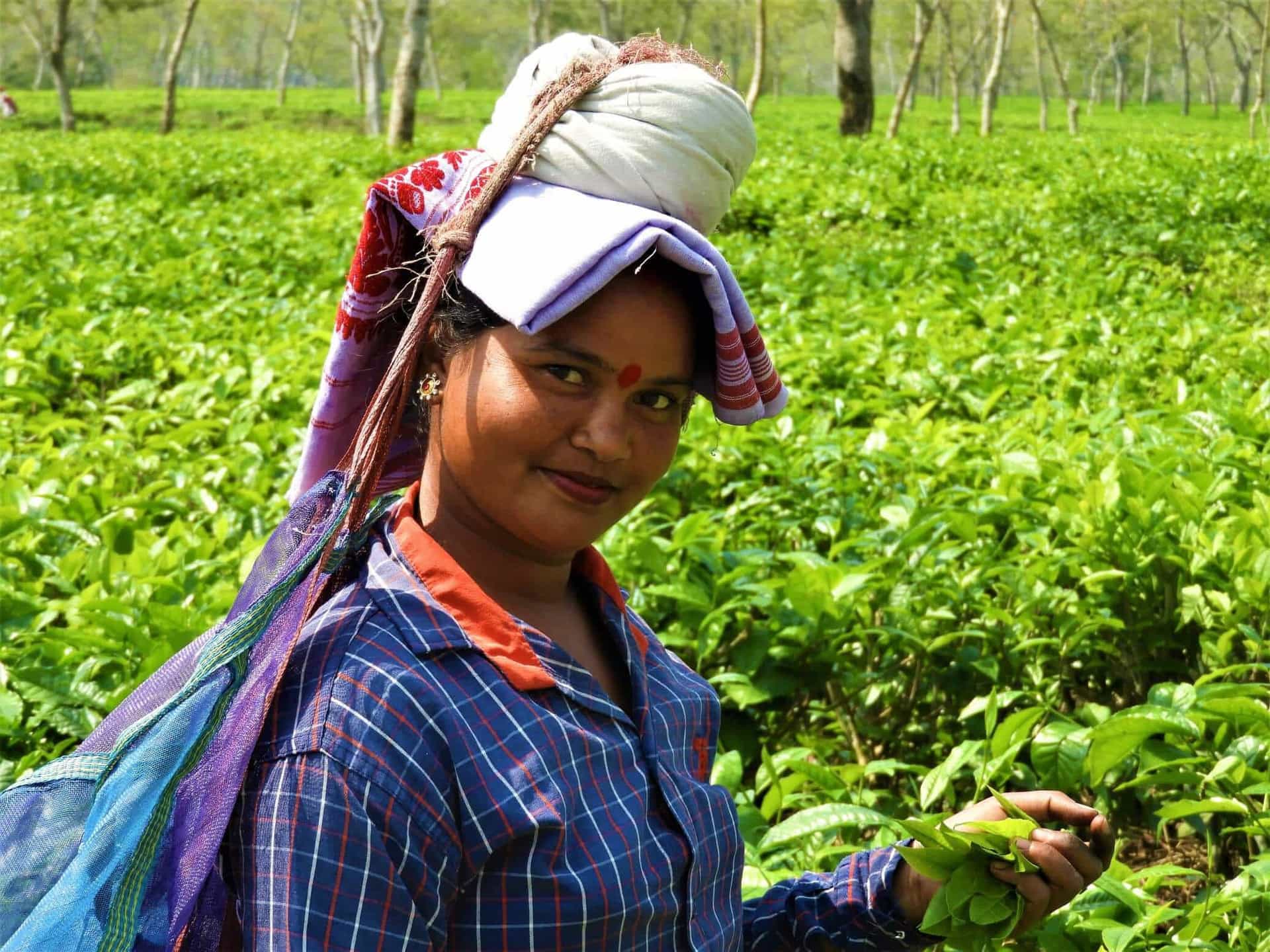
Mishing textiles, known as mirjim, are among the most distinctive in Northeast India. Woven on traditional looms by Mishing women, these fabrics feature bold geometric patterns in red, black, and yellow, with designs that encode clan histories and cosmological narratives. The mekhela chador (two-piece garment) worn by Mishing women during festivals is a stunning display of this weaving tradition.
Village life centers around rice cultivation, fishing, and the rearing of mithun and pigs. The Mishing are known for their rice beer (apong), a mildly alcoholic beverage fermented using specific herbs, which plays a central role in social ceremonies and the hospitality offered to visitors. The warmth of Mishing hospitality, combined with the extraordinary setting of their stilt villages against the backdrop of the Brahmaputra, creates one of the most memorable cultural encounters in rural Assam.
Craft Traditions
Mishing weaving (mirjim) is a defining cultural practice, with every woman expected to master the loom. Traditional mirjim textiles feature bold geometric patterns in red, black, and yellow on a cotton or silk base. The designs are not merely decorative; specific patterns indicate clan affiliation, marital status, and ceremonial rank. The gero (a richly patterned wrap) is the most prized textile, reserved for special occasions.
Bamboo craftsmanship is equally significant. The Mishing produce an extraordinary range of bamboo products: from the structural stilts of their houses to fine-weave fishing traps, storage containers, and musical instruments. The juluki (bamboo fish trap) and jakoi (conical fishing basket) are elegant solutions to floodplain fishing that have remained unchanged for centuries.
Boat-building is another traditional skill, with the Mishing constructing narrow wooden canoes suited to navigating the Brahmaputra's channels and backwaters. These boats are essential for daily life in a landscape where water is the primary highway.
Visiting Etiquette
Mishing villages are generally welcoming to visitors, but approach through a local guide or arranged homestay rather than arriving unannounced. When entering a chang ghar (stilt house), remove your shoes at the bamboo ladder. You will likely be offered apong (rice beer) and pitha (rice cakes); accepting is considered a gesture of respect and friendliness.
If invited to a meal, eat with your right hand following local custom. The Mishing are generous hosts who may prepare special dishes for visitors; expressing appreciation for the food is important. When photographing, ask permission first, particularly before entering weaving areas where women may be working. During the Ali-Aye-Ligang festival, respect the ceremonial spaces and follow your guide's instructions about appropriate behavior during rituals.