Garo
The Garo are a Tibeto-Burman people inhabiting the western hills of Meghalaya, along with parts of Assam and Bangladesh. Numbering approximately one million, they are the second largest tribal community in Meghalaya and, like their Khasi neighbors, maintain a matrilineal social system in which clan identity and property pass through the mother’s line.
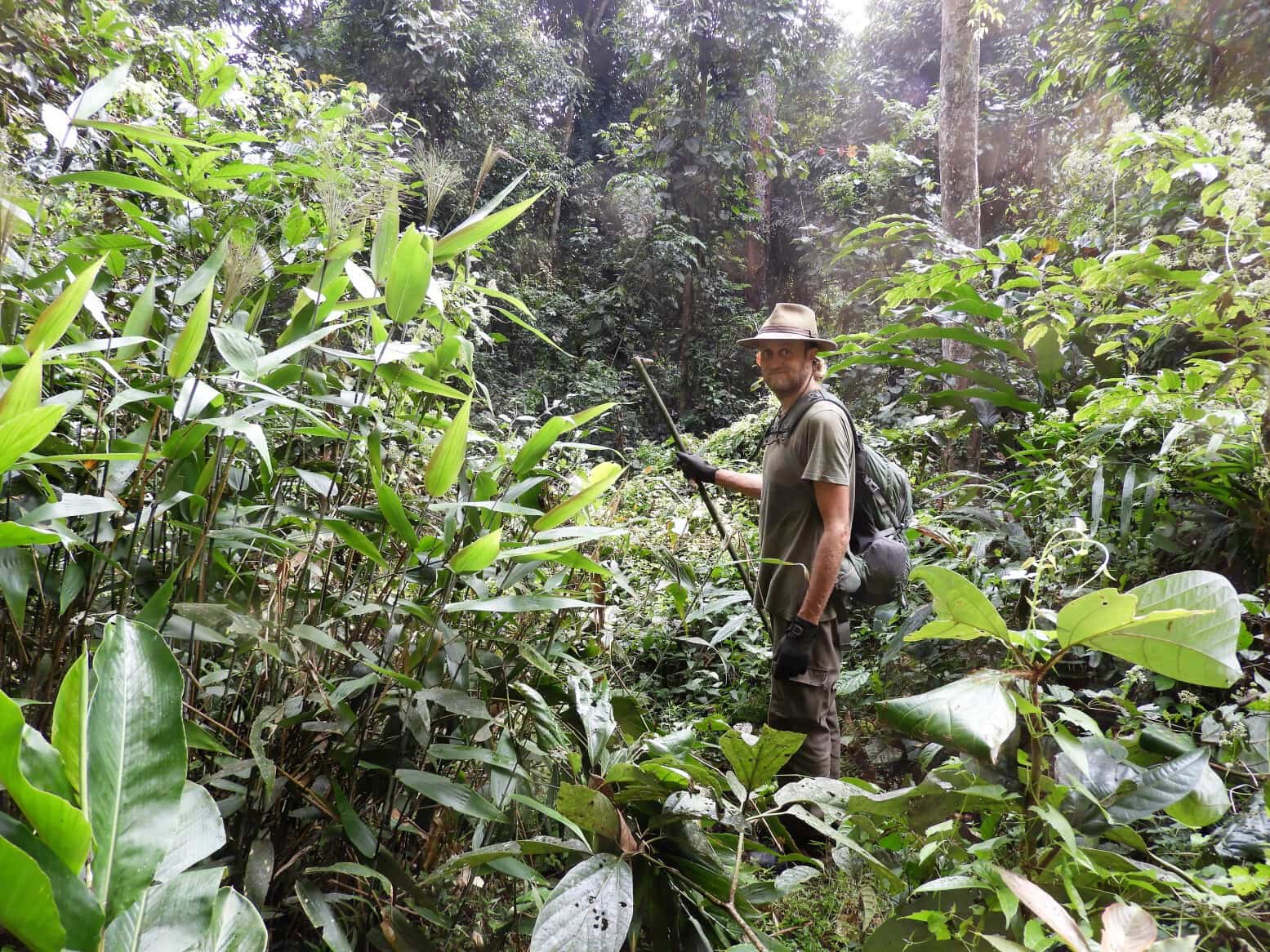
The Garo Hills, a rugged landscape of deep valleys and forested ridges rising to over 1,500 meters, have shaped every aspect of Garo culture. Traditional agriculture is based on jhum (shifting cultivation), a sophisticated rotational farming system that, when practiced in its traditional form with long fallow periods, is remarkably sustainable. Rice and millet are the primary crops, supplemented by a rich array of forest produce including bamboo shoots, wild tubers, and medicinal plants.
Garo society is organized around the nokma system, in which the village headman inherits his position through marriage to the heiress of the nokma’s household. The traditional Garo religion, Songsarek, centered on a rich cosmology of nature spirits and ancestral veneration, persists alongside Christianity, which the majority have adopted since the nineteenth century. The annual Wangala festival, a post-harvest thanksgiving, remains the most vibrant expression of traditional Garo culture.
The Balpakram National Park, deep in the Garo Hills, is considered sacred by the Garo as the place where the spirits of the dead journey to the afterlife. This spiritual geography has inadvertently preserved one of the most pristine wilderness areas in the region, home to red pandas, elephants, and the elusive clouded leopard.
Craft Traditions
The Garo are master drum-makers. The dama, a large cylindrical drum carved from a single tree trunk and covered in animal hide, is the centerpiece of Garo musical culture. Each village maintains its ceremonial drums, and the craft of drum-making, which requires selecting the right tree, hollowing it with precision, and curing the hide to produce the desired resonance, is a specialized skill passed down through generations.
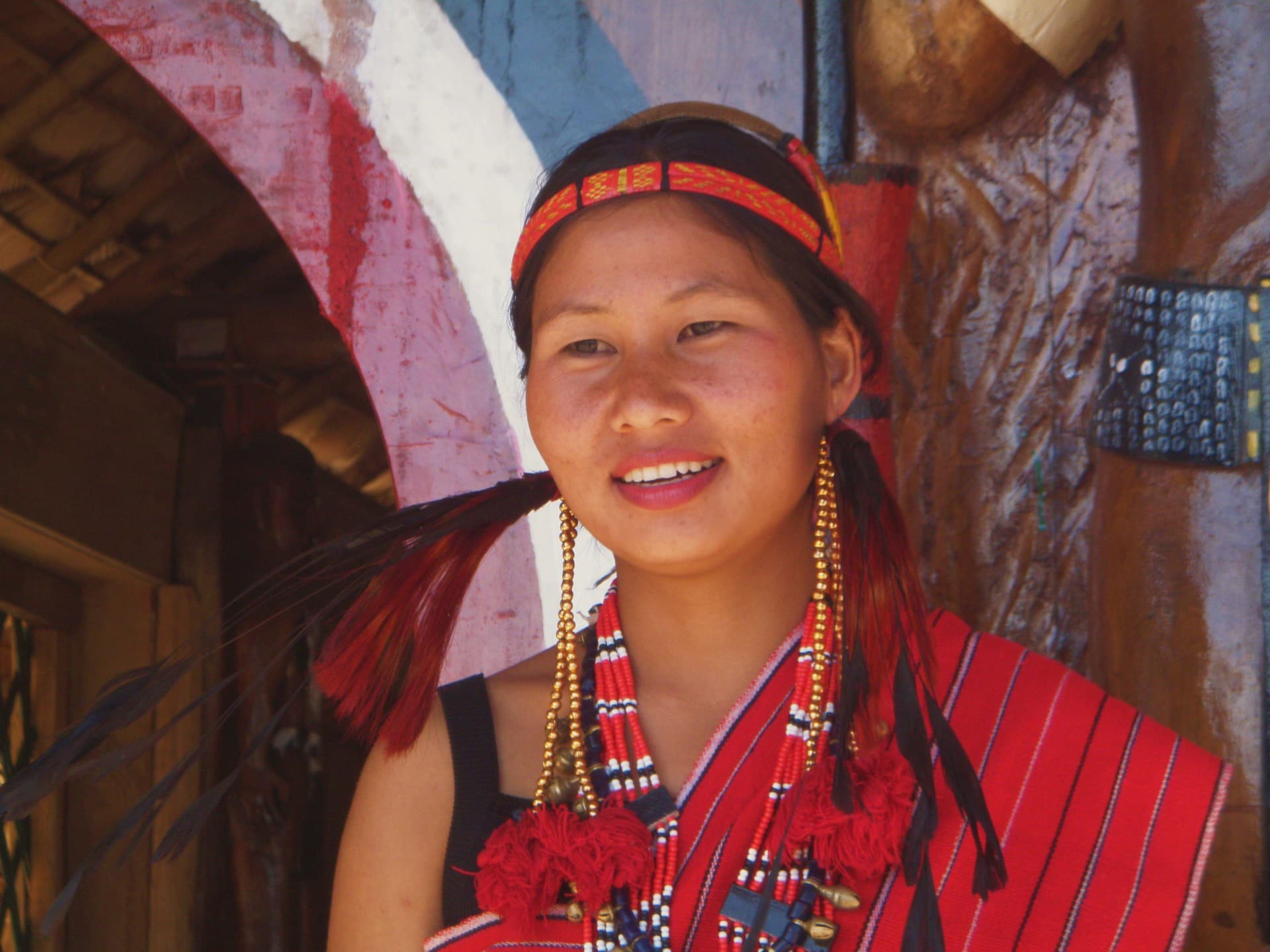
Bamboo craftsmanship is central to daily life. The Garo produce an extraordinary range of bamboo objects: from houses and granaries to musical instruments, fish traps, and the distinctive bamboo tubes used for cooking rice and smoking meat. Garo textiles, particularly the dakmanda (a striped cloth) and the rikgitok (a woman's wrap), feature bold geometric patterns in red, yellow, and black.
Visiting Etiquette
Garo communities are warm and hospitable. When visiting a village, present yourself to the nokma (headman) first. You will likely be offered rice beer (chubitchi) and food; accepting is considered essential good manners. The Garo are generous hosts who take pride in their cuisine, and expressing appreciation for the food is the surest way to their hearts.
During Wangala celebrations, visitors are generally welcome to observe and participate. If invited to try the drums, do so with enthusiasm. When visiting Balpakram or other areas considered spiritually significant, follow your guide's instructions about restricted zones. The Garo take their sacred landscapes seriously, and respectful behavior in these areas is non-negotiable.