Bohag or Rongali Bihu (mid April)
Assam's joyous celebration of spring, harvest, and new beginnings
The most important and colourful of the three Bihu is the harvest festival Bohag Bihu also called Rongali Bihu celebrated in mid April. It marks the new year, advent of spring and beginning of the agricultural season. The farmers prepare the fields for cultivation of paddy and there is a feeling of joy around. On the eve of Rongali Bihu, the cows which are considered sacred by the assamese are ceremoniously washed with turmeric, fed with vegetables and the ropes used for securing them are replaced with new ones.
Celebrations extend over a week and include exchange of traditional hand woven gamochas (scarves), singing, dancing and merriment accompanied by the resonating beats of local musical instruments- the dhol (drums) and Pepa (buffalo hornpipe). Songs sung are woven around themes of love and often carry erotic overtones. Men are seen in new traditional attires – the Gamocha and Dhoti while women adorn themselves in their local ensemble – the Mekhala Chador.
The Assam Tourism Department also organizes a special Rongali Utsav at Srimanta Sankardeva Kalakshetra, Guwahati which attracts lots of tourists and visitors.
Cultural Significance
Rongali Bihu, also known as Bohag Bihu, is the most important festival in the Assamese calendar, marking the Assamese New Year and the onset of the agricultural season. Celebrated in mid-April when the monsoon-swollen Brahmaputra begins to recede and nature bursts into fresh growth, it is fundamentally a celebration of fertility, renewal, and the life-sustaining relationship between people and the land.
The festival has ancient roots in the agrarian cycle of the Brahmaputra Valley. Unlike many Indian festivals tied to specific religious traditions, Bihu transcends religious boundaries and is celebrated with equal fervor by Hindu, Muslim, and tribal communities across Assam. The seven days of Rongali Bihu encompass rituals for cattle (Goru Bihu), communal feasting (Manuh Bihu), and the exuberant Bihu dance that has become Assam's most recognized cultural expression.
The Bihu dance, performed by young men and women to the rhythm of the dhol (drum) and pepa (buffalo horn pipe), is at once a courtship ritual, a harvest thanksgiving, and an expression of community identity. The distinctive hip-swaying movements and the energetic drumming create an atmosphere of infectious joy that is impossible to witness without being drawn in.
The Experience
What to Expect
The first day, Goru Bihu (Cattle Bihu), sees cattle bathed in rivers and decorated with garlands. This day honors the animals that make agriculture possible and is celebrated primarily in rural areas. The following days bring the community celebrations, with Bihu dance performances erupting in villages, town squares, and organized stages.
In Majuli, the world's largest river island, Bihu takes on additional dimensions with the island's unique Vaishnavite cultural overlay. The satras (Neo-Vaishnavite monasteries) host classical dance performances alongside the folk Bihu celebrations, creating an extraordinary cultural fusion. Traditional Bihu songs, which combine romantic lyrics with agricultural references, are sung throughout the celebrations.
Food is central to the experience. Every household prepares an array of traditional dishes: pitha (rice cakes in dozens of varieties), til pitha (sesame rice cake), ghila pitha (deep-fried rice cake), and various preparations of duck, fish, and pork. The rice beer (laopani) flows freely, and visitors are expected to sample widely.
How to Participate
Bihu is one of the most participatory festivals in India. Visitors are warmly welcomed into community celebrations and frequently pulled into the dance circles. The basic Bihu dance movements are accessible enough for beginners, and local dancers delight in teaching visitors the characteristic steps. Joining a husori group (roving band of Bihu performers who go house-to-house) is one of the most memorable cultural experiences available in Northeast India.
Food sharing is a core element of participation. When invited into a home during Bihu, accept the offerings of pitha and tea. Offering a gamosa (traditional towel) to your hosts is a deeply appreciated gesture of respect.
Celebrating Communities
Practical Information
Booking Advice
Bihu celebrations are widespread across Assam, so accommodation is generally available. For the best community celebrations, arrange homestays in Majuli Island or rural Lakhimpur district through a local operator at least 1 month in advance.
Photography
The Bihu dance is inherently photogenic. Rural celebrations offer the best documentary photography opportunities. Early evening golden hour at riverside dance grounds creates magical light. Use fast lenses for nighttime dance sessions lit by bonfires. The pitha-making process in kitchens makes for intimate cultural documentation.
Visitor Etiquette
Bihu is a relaxed and joyous celebration with relatively few restrictions. When visiting homes, remove shoes at the entrance. Accept food and drink offerings graciously. If offered rice beer, a small sip is sufficient if you prefer not to drink. Always ask before photographing inside homes or during intimate family rituals.
During dance performances, it is appropriate to clap and express appreciation. If invited to join the dance, do so with enthusiasm. The festival atmosphere is welcoming and inclusive, but avoid overly intimate contact during the dance, which has traditional courtship elements. Dress comfortably in modest clothing.
Calendar Type
Fixed Date
Upcoming Dates
2026-04-14 to 2026-04-20 2027-04-14 to 2027-04-20
Celebrate alongside the community
Festival Journey
Kaziranga Escapade
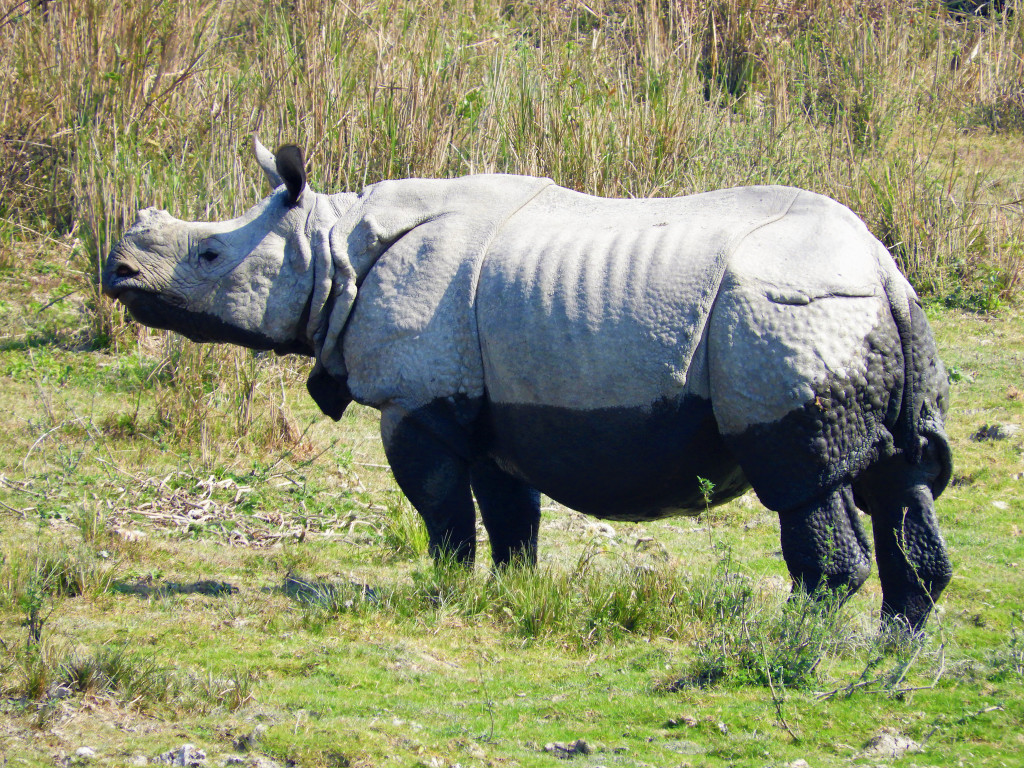
Discover the wilderness of Kaziranga National Park, through grasslands and teeming forests. Watching wildlife in Kaziranga is similar to Africa, with wide beautiful landscapes that offer breathtaking views. You may also visit villages of the tribes who live a sustainable […]
Destinations
Assam, Guwahati, Kaziranga National Park
Experience
Nature Immersion
Accommodation
Wilderness
Ideal For
Culture Seekers, Wildlife Photographers
Want to build on this?
We can adjust dates, extend the route, or combine with other interests.