Hornbill Festival
Where seventeen warrior tribes unite in a ten-day celebration of living culture
The Hornbill Festival is Nagaland’s defining cultural event, a ten-day celebration that brings together all major Naga tribes at the Kisama Heritage Village near Kohima. Named after the Great Indian Hornbill, a bird deeply revered across Naga communities, this annual gathering transforms a forested hillside into a living gallery of warrior dances, ancestral songs, and indigenous craftsmanship.
Established in 2000 by the Government of Nagaland to encourage inter-tribal interaction and to preserve the rich cultural heritage of the state, the festival has grown into one of the most significant cultural events in all of Asia. Each of the major tribes maintains a traditional morung (community hall) at Kisama, and during the festival these structures become stages for an extraordinary display of living culture.
Beyond the performances, Hornbill is where Nagaland’s culinary traditions come alive. Smoked pork, fermented bamboo shoot, axone (fermented soybean), and rice beer flow freely. Traditional games, including wrestling and archery, are contested with genuine competitive spirit. For travelers, it represents a rare opportunity to witness a culture that has maintained remarkable continuity despite the pressures of modernity.
Cultural Significance
The Hornbill Festival serves as the most important platform for the preservation and promotion of Naga tribal culture. With seventeen major tribes and numerous sub-tribes, each with distinct languages, dress codes, and customs, the festival provides a rare context where this extraordinary diversity is celebrated side by side.
For the Naga people, the festival carries deep significance beyond tourism. It is an opportunity for younger generations to reconnect with ancestral traditions that were disrupted during decades of insurgency. The war dances are not mere performances but living connections to a warrior heritage; the songs carry genealogies and histories that predate written records.
The choice of the hornbill as the festival's symbol reflects the bird's sacred status across Naga culture. Hornbill feathers adorn the headdresses of warriors who have earned the right to wear them, and the bird appears in creation myths and clan totems throughout the region.
The Experience
What to Expect
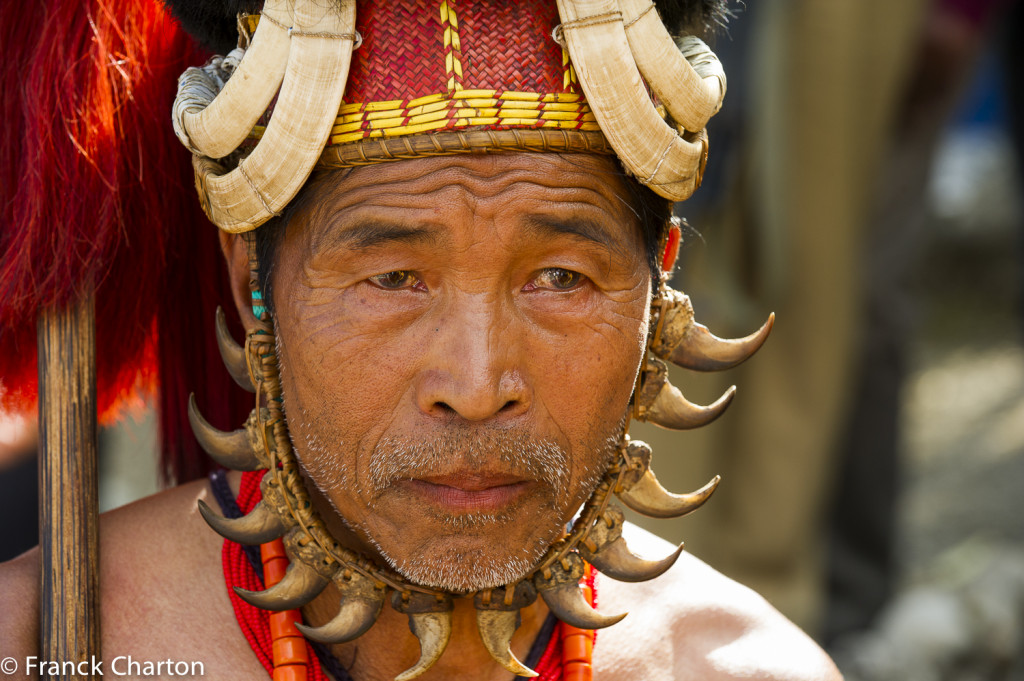
The festival grounds at Kisama are arranged around a central arena flanked by traditional morung structures, each representing a different tribe. Morning sessions typically feature formal tribal performances: the Konyak warrior dance with their elaborate headdresses and facial tattoos, the Angami harvest celebration with its distinctive shawls, the Zeliang fire dance, and many others. Each performance lasts 15-20 minutes and is accompanied by traditional instruments.
Afternoons bring traditional games and competitions. Naga wrestling, archery with bamboo bows, and fire-making contests draw enthusiastic crowds. The chili-eating competition has become a particular crowd favorite, showcasing the legendary Naga King Chili (Bhut Jolokia), one of the world's hottest peppers.
The food court area is an essential part of the experience. Each tribe maintains a stall serving their signature dishes. This is where you'll find authentic smoked pork with axone, bamboo shoot curry, and the various rice beer preparations that differ from tribe to tribe. The Hornbill International Rock Contest, held on the final evenings, brings a contemporary dimension, reflecting Nagaland's vibrant rock music scene.
Side events include a traditional Naga morung exhibition, a handicraft market where tribal artisans sell genuine traditional pieces, a beauty pageant that celebrates indigenous aesthetics, and cultural seminars on Naga heritage and conservation.
How to Participate
Visitors are warmly welcomed to participate in many festival activities. During the evening cultural programs, audiences are often invited to join in folk dances. The food stalls encourage tasting and conversation with the cooks. Traditional games like bamboo pole climbing are open to all comers, and the atmosphere is one of inclusive celebration rather than spectator tourism.
For a deeper experience, arrange through local guides to visit the morung areas during preparation hours (early morning before official events), when tribal groups rehearse and prepare their costumes. These informal moments often provide the most genuine cultural exchanges. Some tribes also welcome visitors to their home villages during the festival period for overnight stays.
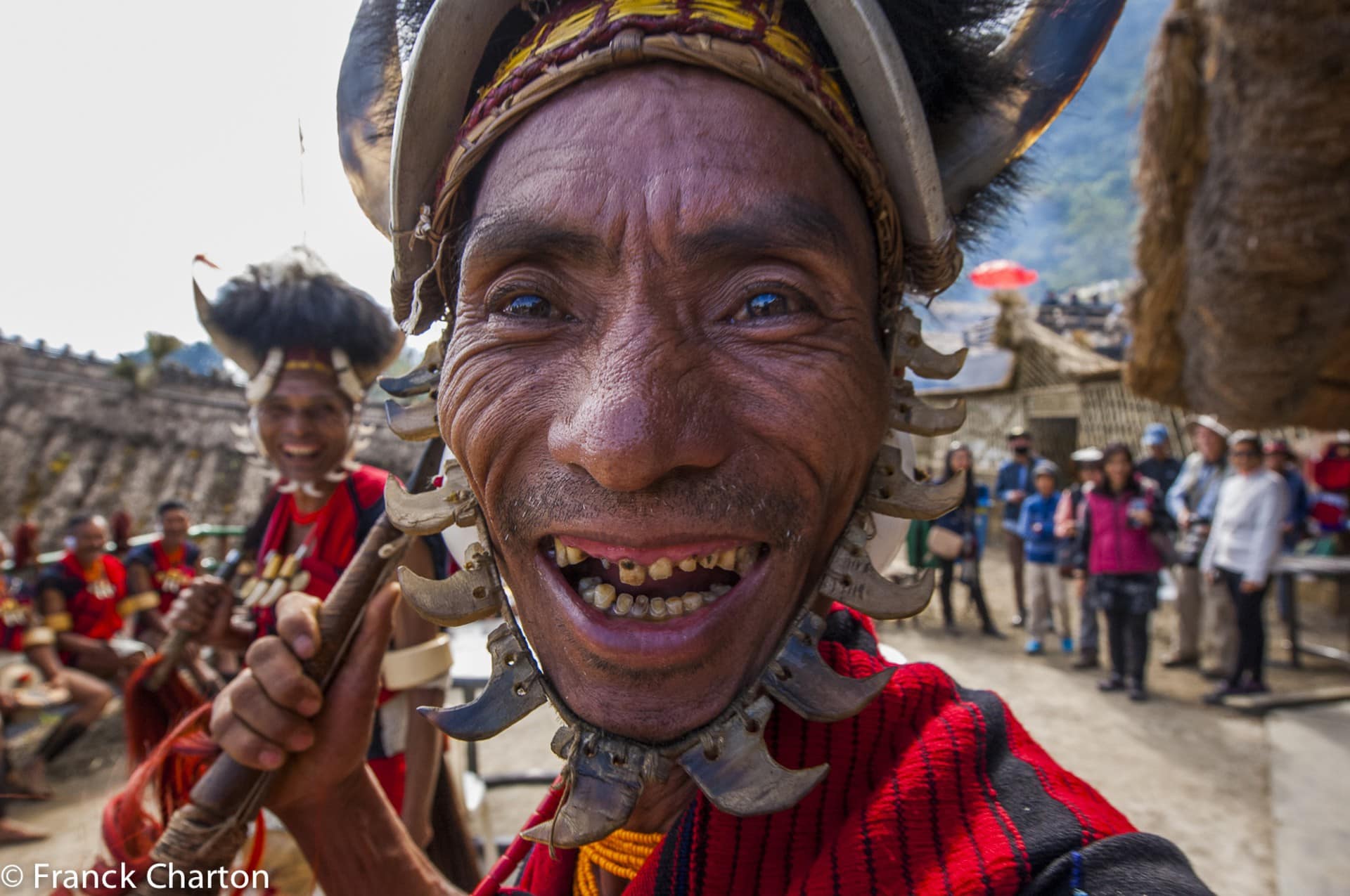
Celebrating Communities
Practical Information
Booking Advice
Book accommodation in Kohima at least 3 months in advance. The town has limited hotel capacity and fills completely during the festival. Consider homestays in nearby villages for a more authentic experience.
Photography
Best positions: the central arena's eastern side offers morning backlight on performers. Arrive by 8am for prime spots. For portraits, the morung preparation areas (7-8am) offer intimate opportunities. Always ask permission before photographing individuals, especially elders with traditional tattoos. Telephoto lenses (70-200mm) for performances, wide angle for atmosphere. The food stalls at golden hour offer exceptional documentary photography.
Visitor Etiquette
Respect and sensitivity are essential. Always ask permission before photographing individuals, particularly elderly Konyak men with facial tattoos, as some consider their tattoos to be sacred markings. When visiting morung areas, follow your guide's lead and wait to be invited inside. Remove shoes when entering any traditional structure.
During performances, remain seated or standing at the designated audience areas. Do not walk onto the performance ground. When sampling food, it is polite to accept offerings of rice beer even if you only take a small sip. Dress modestly, particularly women, as some tribal groups maintain conservative dress standards. Avoid haggling aggressively at the handicraft stalls; the pieces represent genuine cultural artifacts and their prices reflect real craftsmanship.
Calendar Type
Fixed Date
Upcoming Dates
2026-12-01 to 2026-12-10 2027-12-01 to 2027-12-10
Celebrate alongside the community
Festival Journey
Hornbill Festival
Hornbill Festival 2020 – also known as the “Festival of Festivals” – will happen from the 1st to 10th of december 2020 in Kisama Heritage village, near Kohima in Nagaland. Hornbill Festivall is undoubtedly the most popular tribal festival across […]
Destinations
Dibrugarh, Jorhat, Kohima
Experience
Celebration & Connection
Accommodation
Authentic Local
Ideal For
Birding Enthusiasts, Culture Seekers, First Time in India
Want to build on this?
We can adjust dates, extend the route, or combine with other interests.