Wangala Festival
Where a hundred drums thunder in thanksgiving for the harvest
The Wangala is the most important festival of the Garo people, a post-harvest thanksgiving dedicated to Misi Saljong, the deity of fertility and crops. Celebrated primarily in the Garo Hills of western Meghalaya, Wangala marks the end of the agricultural year and the conclusion of the toil in the jhum (shifting cultivation) fields. It is a moment when the community collectively exhales after months of hard labor, offering gratitude through music, dance, and communal feasting.
The festival is famously known as the “Hundred Drums Festival” for the thunderous percussion that forms its musical backbone. Dozens of elongated cylindrical drums (damas), carved from hollowed tree trunks and covered with animal skin, are played simultaneously by rows of male drummers. The sound, deep and resonant, carries across the valleys of the Garo Hills and creates a rhythmic foundation over which traditional flute melodies and the stamping feet of hundreds of dancers weave a complex sonic tapestry.
Wangala is more than spectacle. It is the thread that binds the Garo to their agrarian identity in a rapidly changing world. As younger generations move to cities, the festival serves as an annual homecoming, drawing Garo people back to their villages to reaffirm connections with the land, with ancestors, and with each other. For visitors, it offers a rare and privileged window into a living culture that celebrates abundance with an exuberance that is utterly infectious.
Cultural Significance
Wangala is rooted in the Garo cosmology and their relationship with Misi Saljong, the sun god and patron deity of agriculture. The festival represents the moment when the community collectively offers thanks for the harvest and seeks blessings for the year ahead. It is the culmination of the agricultural cycle that defines Garo life in the hills, from the clearing and burning of jhum fields to the planting, nurturing, and final harvesting of rice and millet.
The drums that give the festival its popular name are not simply musical instruments but sacred objects. Each village maintains its ceremonial drums, which are played only during Wangala and other significant occasions. The act of drumming is itself a form of prayer, with the rhythms believed to communicate directly with the spirits of the land and the ancestors.
In recent decades, the state government has organized a centralized Wangala celebration at Asanang, near Tura, to promote tourism and inter-community interaction. While this official event is impressive in scale, traditional village-level Wangala celebrations, with their intimate setting and unself-conscious authenticity, remain the more profound cultural experience.
The Experience
What to Expect
The festival typically begins with a ritual ceremony led by the nokma (village chief) and the kamal (traditional priest), who perform offerings to Misi Saljong. This opening ceremony sets the spiritual tone for the days of celebration that follow. Visitors are generally permitted to observe but should maintain a respectful distance during the ritual portions.
The main event is the collective drumming and dancing. Groups from different villages take turns performing their versions of the Wangala dance, each with subtle variations in rhythm and choreography. The male drummers and female dancers perform in coordinated formations, with the drummers setting the tempo and the dancers responding with synchronized movements that symbolize the planting and harvesting cycle.
Traditional games and competitions are woven throughout the festival, including climbing competitions on greased bamboo poles, traditional wrestling, and archery. The food is a highlight: expect to try bamboo-cooked rice, smoked dried fish, various preparations of pork, and the ubiquitous rice beer served in bamboo cups.
How to Participate
Wangala is an inherently participatory event. Visitors are frequently invited to try their hand at the drums during informal sessions, and the evening dances become open celebrations where everyone is welcome. The rice beer serves as a social lubricant, and Garo hospitality means that visitors will rarely have an empty cup.
For the best participatory experience, attend a village-level celebration rather than the large government-organized event. In smaller villages, the nokma may formally welcome visitors and assign a host family. Accept food and drink graciously, and bring a small gift for your hosts. If you wish to try the drums, show genuine interest and you will almost certainly be given instruction.
Celebrating Communities
Practical Information
Booking Advice
The main Wangala celebration at Asanang village (near Tura) draws the largest crowds but accommodation in Tura is limited. Book at least 2 months in advance. Smaller, more intimate village-level Wangala celebrations occur throughout the Garo Hills during October-November.
Photography
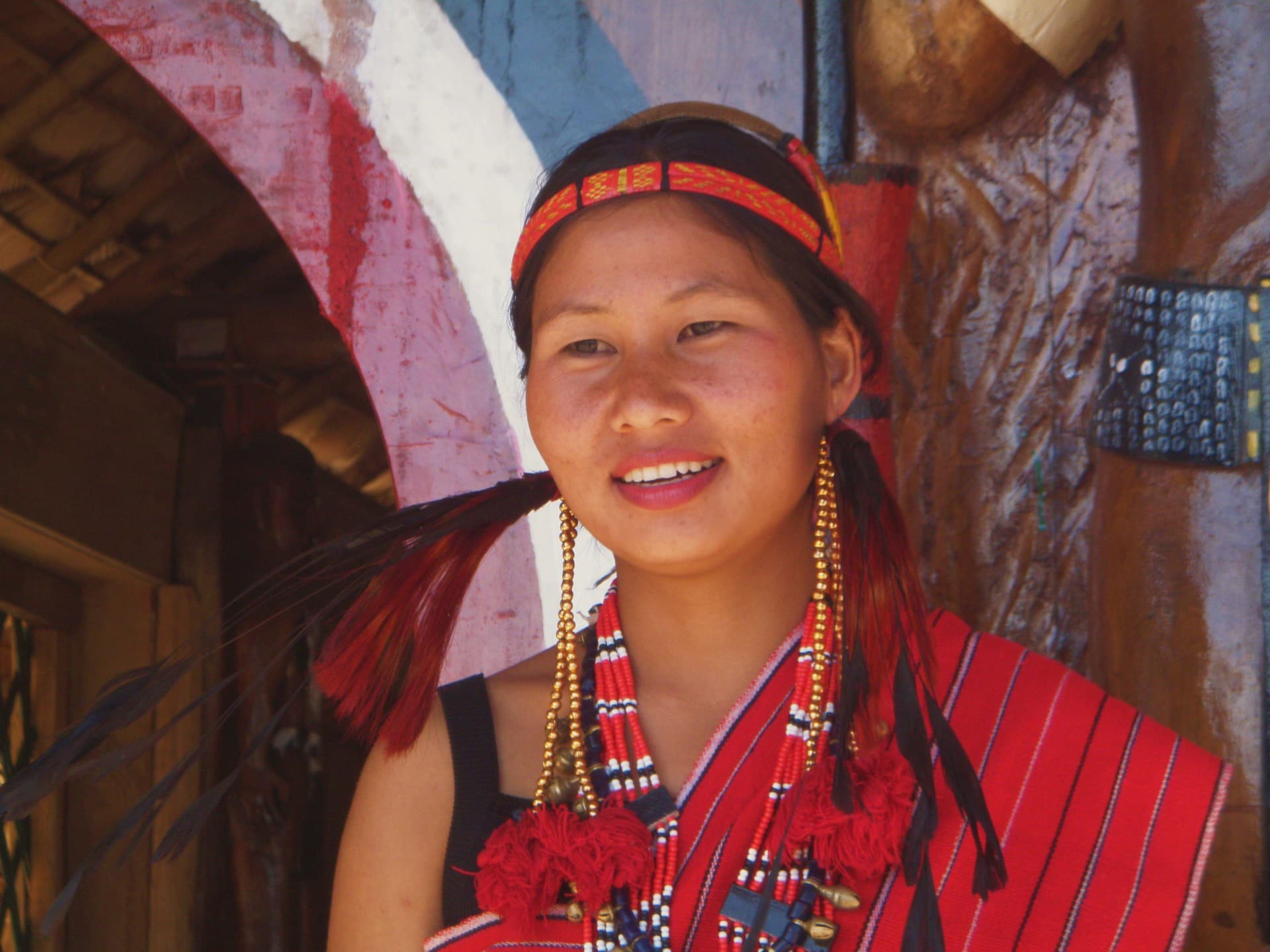
The drumming formations are supremely photogenic. Position yourself at the end of the drum lines for dramatic perspective shots. The women's dance is best captured from a low angle to emphasize the textile patterns against the sky. Morning light in the Garo Hills provides warm, diffused conditions. The preparation of bamboo-smoked meats and rice beer makes for excellent documentary photography.
Visitor Etiquette
During the opening ritual ceremony, remain at a respectful distance and follow your guide's instructions. Do not walk between the priest and the offering site. When offered rice beer, accept at least a small amount; declining entirely can be considered impolite. Remove shoes when entering traditional homes.
When photographing, ask permission first, particularly for close portraits. The drummers are generally happy to be photographed during performances. Dress modestly and comfortably. If attending a village celebration, bringing a contribution of rice, sugar, or salt for the communal feast is a thoughtful gesture that will be warmly received.
Calendar Type
Variable
Upcoming Dates
2026-11-07 to 2026-11-09 (tentative) 2027-11-06 to 2027-11-08 (tentative)
Celebrate alongside the community
Festival Journey
Adventure and Jungle in Meghalaya
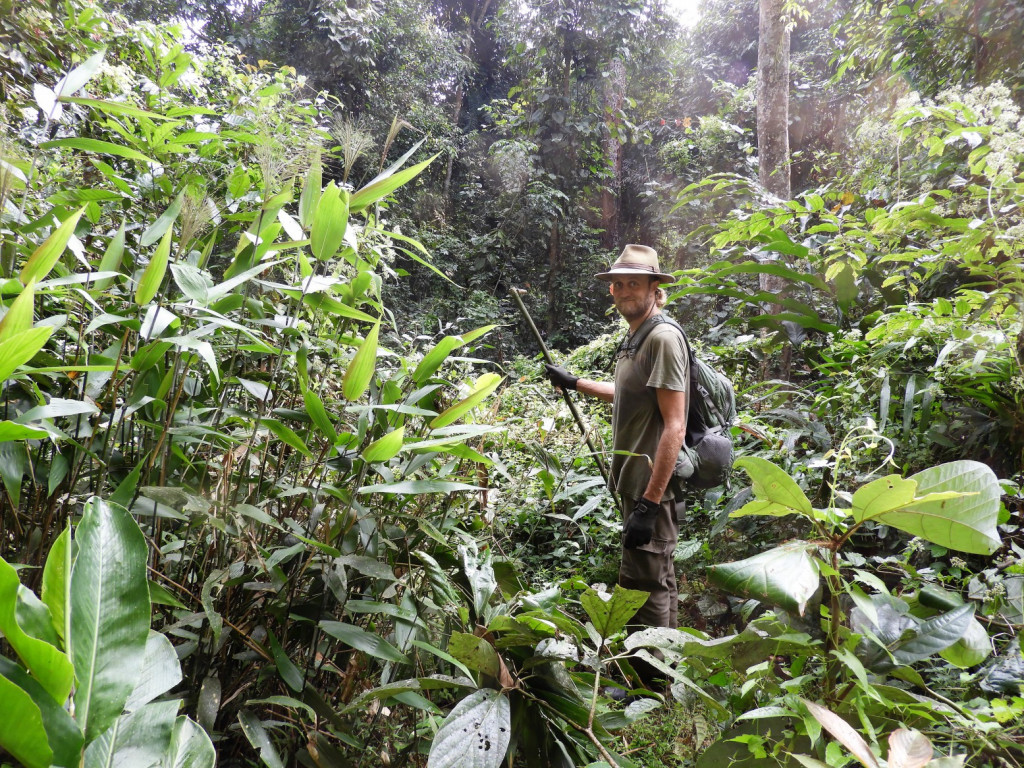
Urban live disconnects us from Mother Nature… In Meghalaya, the wilderness is omnipresent and omnipotent. There is no better place to learn how to survive in the wild with no equipment. During this course you’ll learn the four basic elements […]
Destinations
Cherrapunjee, Meghalaya, Shillong
Experience
Active & Adventurous
Accommodation
Wilderness
Want to build on this?
We can adjust dates, extend the route, or combine with other interests.